





Appliance Knobs
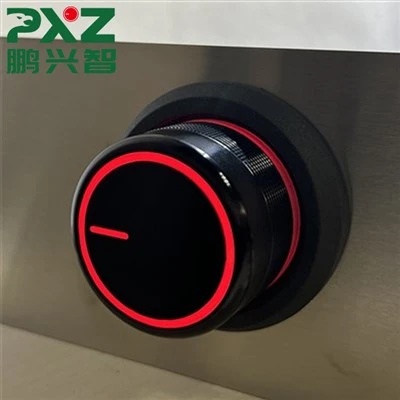
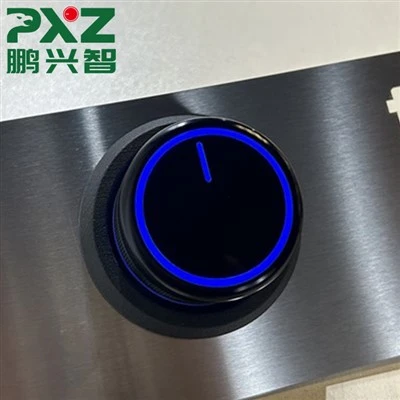


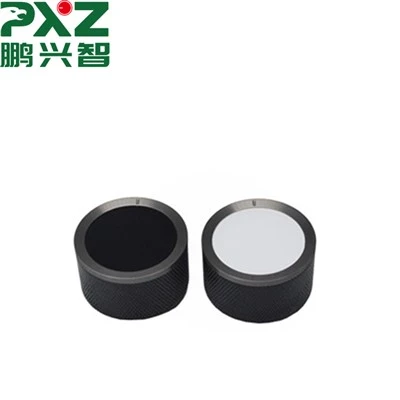
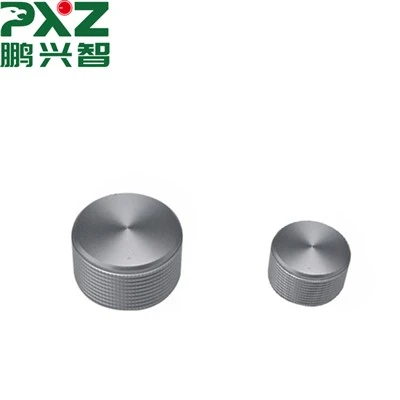
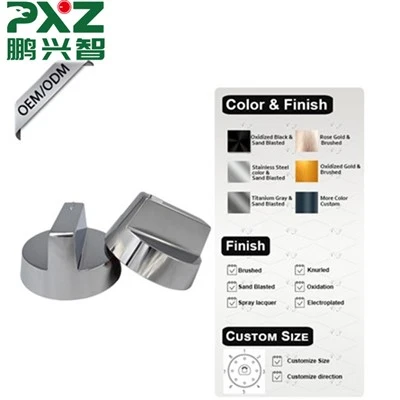
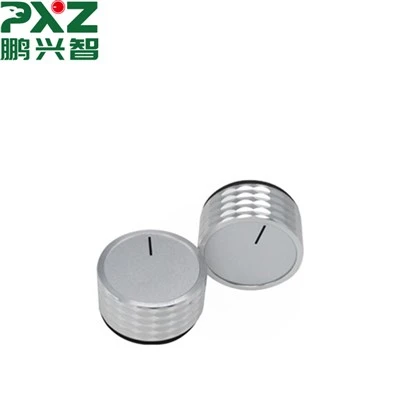
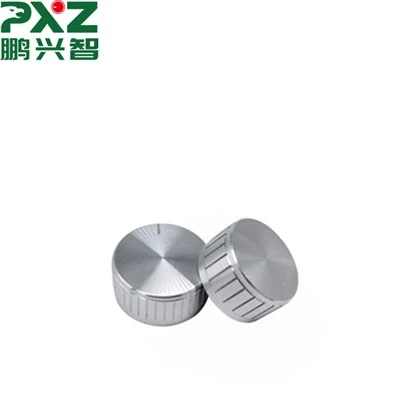
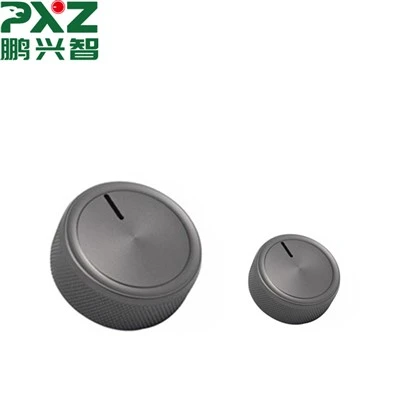
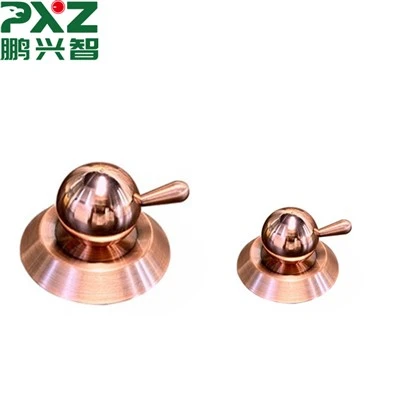
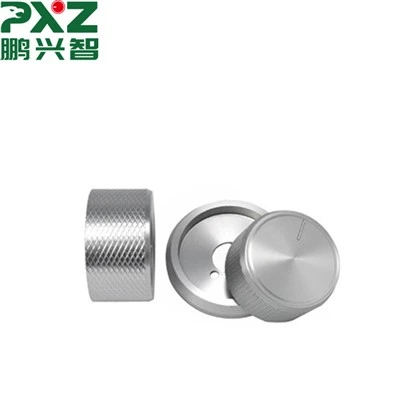
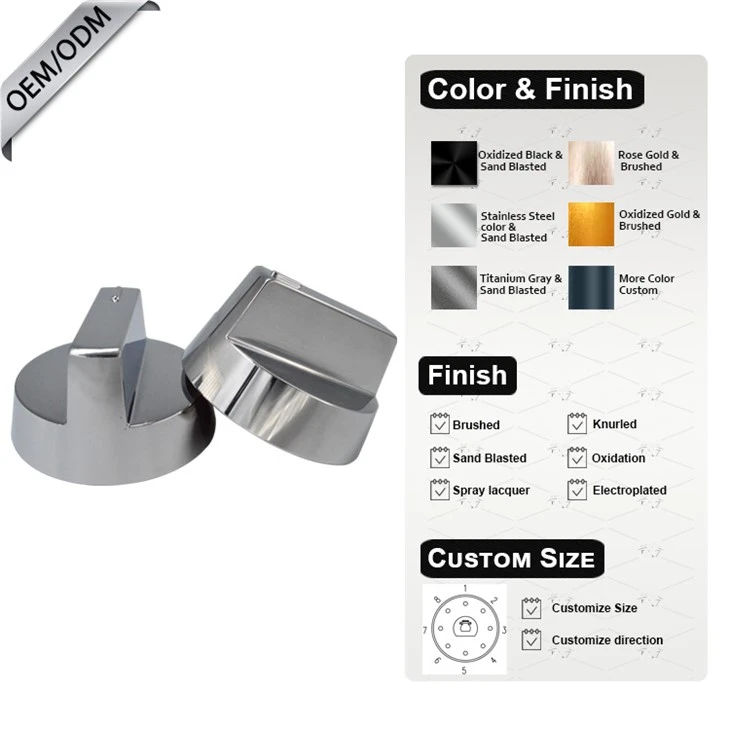
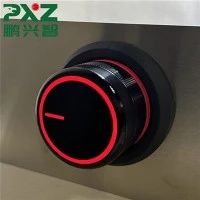
Appliance knobs are small, rounded components that are typically used on household appliances to control or adjust various functions. These knobs are found on various devices such as ovens, stoves, refrigerators, dishwashers, microwaves, and other types of kitchen appliances. On a stove, for example, appliance knobs are used to adjust the temperature of the burners. They are usually made of heat-resistant material and rotate or twist to turn on or off the burner and adjust its flame size.
Features of Appliance Knobs
1.Design and Aesthetics
Appliance knobs can vary widely in terms of design, shape, color, and material. They can be flat, raised, round, square, or even have a specific geometric shape. Some knobs might have a smooth finish, while others might have a textured surface or raised patterns for a better grip. The color and finish of the knob can match the overall look of the appliance or provide a contrasting accent.
2.Durability and Longevity
Appliance knobs are designed to withstand frequent use and abuse, often lasting for years. They are typically made from durable materials such as metal, plastic, or rubber, depending on the specific requirements of the appliance. Some knobs might be coated with a protective layer to resist scratches, grease, or fingerprints.
Functionality
Appliance knobs serve a specific purpose, such as adjusting the temperature, volume, or speed of an appliance. They might rotate, twist, push, or pull to activate or deactivate features. Some knobs might have multiple settings or positions, allowing users to fine-tune the desired function.
Ease of Use
Appliance knobs are designed to be easy to grasp and operate, even with wet or greasy hands. They might have a larger diameter or a textured surface to provide a better grip.
Safety
In some cases, appliance knobs might have safety features to prevent accidental activation or injury. Our appliance knobs are made from heat-resistant materials to prevent users from burning their hands.
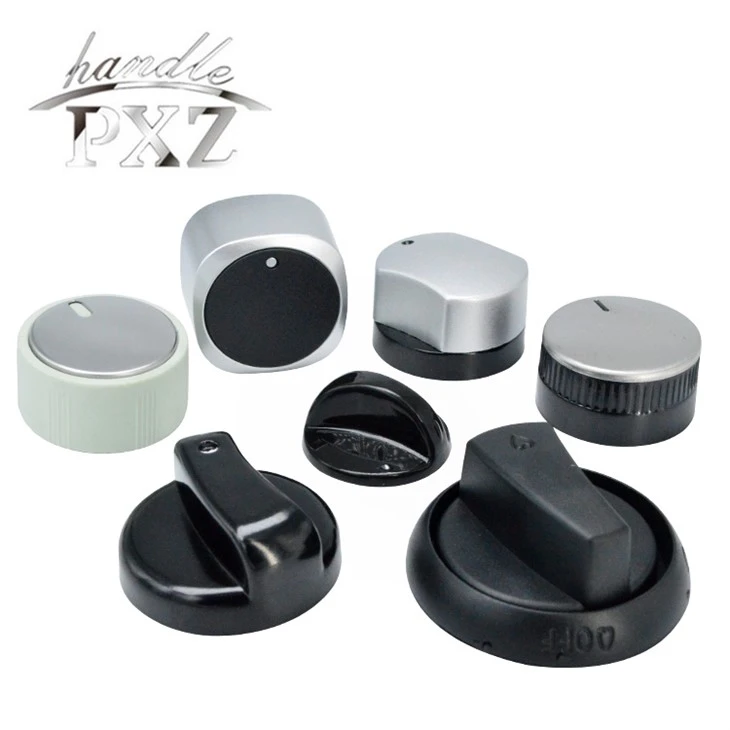
Common Types of Appliance Knobs
These are the most common type of knob in the kitchen. They are used to adjust settings such as temperature or speed on devices like stovetops, ovens, microwaves, and mixers. Rotary knobs often have a knob or handle that turns to adjust the setting.
These knobs are pressed to activate or deactivate a function. You'll find them on appliances like dishwashers, refrigerators, and microwaves to start cycles or open doors.
Similar to rotary knobs, dial knobs have a circular face with a pointer or indicator that shows the current setting. They are turned to adjust features like the temperature on a stove or the timer on an oven.
Modern kitchen appliances, especially those with digital interfaces, might have electronic touchscreen knobs. These allow users to adjust settings by touching the screen, often with graphical interfaces for ease of use.
Many kitchen appliances offer customizable knobs, allowing homeowners to match the knobs to the overall kitchen design or personal preferences. This includes choosing the color, material, shape, and size of the knobs.
Application of Appliance Knobs
Temperature Control
Knobs are often used to adjust the temperature of kitchen appliances like ovens, gas stoves, and microwaves. Rotary knobs or dial knobs allow users to set the desired temperature easily and accurately.
Speed Control
Some kitchen appliances, such as mixers and blenders, have knobs to control the speed of operation. This allows users to adjust the power output to suit different tasks, from slow stirring to high-speed blending.
Timer Settings
Knobs are commonly used to set timers on kitchen appliances. This is particularly useful for devices like ovens, microwaves, and coffee makers, where users can program a specific cooking or brewing time.
Power and Function Activation
Push-button knobs are often used to turn kitchen appliances on and off or to activate specific functions. For example, you might find a push-button knob to start the dishwasher or open the door of a refrigerator.
Materials of Our Appliance Knobs
|
Aluminum Alloy |
Zinc Alloy |
Bakelite |
|
|
Material Properties |
Aluminum alloy is a strong and lightweight material with good corrosion resistance. It's often alloyed with other elements like copper, magnesium, and silicon to enhance its properties. |
Zinc alloy is a strong and ductile material that can be easily cast or molded into complex shapes. It has good corrosion resistance but may require regular cleaning and maintenance to prevent rusting or discoloration. |
Bakelite is a thermosetting plastic material that was popular in the early 20th century for its durability and resistance to heat and chemicals. It's no longer widely used due to its limited availability and environmental concerns. |
|
Durability |
Aluminum alloy knobs are durable and can withstand repeated use in a kitchen environment. However, they may not be as resistant to scratching or denting as other materials. |
Zinc alloy knobs are durable and can handle the rigors of daily use in a kitchen. However, they may be more susceptible to corrosion than aluminum alloy knobs. |
Bakelite knobs are very durable and can last for decades with proper care. They are resistant to scratching, denting, and corrosion. |
|
Cost |
Aluminum alloy knobs are generally more cost-effective than solid brass or stainless steel knobs. |
Zinc alloy knobs are typically more cost-effective than aluminum alloy or solid brass knobs. |
Bakelite knobs can be expensive due to their rarity and the fact that they are no longer widely produced. |
|
Aesthetic Appeal |
Aluminum alloy knobs can be finished in a variety of colors and textures, making them suitable for a wide range of kitchen design styles. |
Zinc alloy knobs offer a wide range of customization options, including unique shapes, sizes, and finishes. They can be made to match a variety of kitchen design themes. |
Bakelite knobs have a unique and retro look that can add a touch of elegance and history to a kitchen. They are often found in vintage or mid-century modern design styles. |
How to Replace Appliance Knobs
Gather Tools and Materials
Collect the necessary tools and materials for the installation. This includes a screwdriver (Phillips or flat head depending on the knob), possibly a ratchet or wrench, the new knobs, installation screws or nuts, and any other small parts or hardware that may be required.
Turn Off the Appliance and Disconnect Power
Ensure the kitchen appliance is turned off and disconnected from the power source. This is important for safety reasons to prevent any electrical hazards during the installation process.
Remove the Old Knobs
Carefully remove the old knobs by loosening the screws or nuts that hold them in place. Use the appropriate tool to unscrew or loosen the fasteners, and gently pull the knobs off. Be sure to keep track of any small parts or screws that may be attached.
Clean the Surface
Before installing the new knobs, clean the surface of the appliance where the knobs will be attached. Use a damp cloth or cleaning agent to remove any dirt, grease, or residue that could interfere with the installation.
Install the New Knobs
Place the new knobs on the appliance, lining them up with the corresponding holes or positions. Secure the knobs using the installation screws or nuts. Use the appropriate tool to tighten them securely, but not too tightly to avoid stripping the threads or damaging the appliance.
Test the Knobs
Once the knobs are installed, test them to ensure they function properly. Turn them on and off, adjust any settings, and make sure they rotate smoothly and securely.
Maintenance of Appliance Knobs
Avoid Harsh Chemicals
When cleaning, refrain from using abrasive or harsh chemical cleaners that might damage the finish or material of the knobs. Gentle cleaners and a soft cloth are ideal for preserving their condition.
Monitor and Tighten Screws
Inspect the screws securing the knobs periodically to ensure they are securely tightened. Loose screws should be promptly tightened using the appropriate tool to prevent accidental detachment during use.
Follow Manufacturer Guidelines
Always consult the manufacturer's instructions or user manual for tailored maintenance recommendations and guidelines specific to your kitchen appliances.
Routine Cleaning
Regularly dust and wipe the knobs with a soft, damp cloth to eliminate grease, fingerprints, and dust accumulation. This prevents dirt build-up and maintains their pristine appearance.
Handle with Care
Handle the knobs delicately when opening and closing them to prevent excessive force that might lead to wear or damage.
Prompt Replacement
Replace any knobs that are damaged, scratched, or worn out promptly. Damaged knobs may malfunction and pose a safety hazard.
Safe Storage
When removing knobs for cleaning or repairs, ensure they are stored in a secure location to prevent scratches or damage.
How to Choose the Right Appliance Knobs?
Material
Our knobs are mainly made of aluminum alloy, zinc alloy and bakelite. Consider the material that best suits your needs and the overall style of your kitchen.
Size and Shape
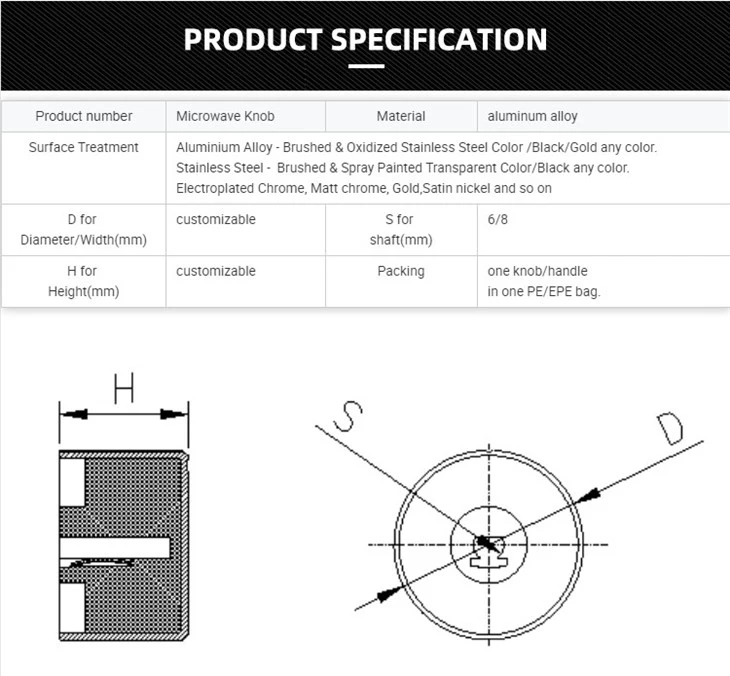
Measure the size and shape of the existing knobs on your ovens and gas stoves to ensure you choose replacements that fit properly. Consider both the diameter and depth of the knob to ensure a secure fit. Additionally, choose a shape that complements the overall design of your appliances and kitchen.
Temperature Resistance
Since knobs are exposed to high temperatures, choose ones that are heat-resistant. Our knobs are specifically designed for use on ovens and gas stoves, and they can withstand high temperatures without melting or deforming.
Durability
Choose knobs that are durable and long-lasting. Look for knobs made from high-quality materials and with a solid construction to ensure they can withstand frequent use and the rigors of a kitchen environment.
Ease of Use
Consider the ease of use when selecting knobs. Choose knobs that are easy to grasp and turn, even with wet or greasy hands. Knobs with a textured surface or raised edges can provide better grip and control.
Style and Design
Choose knobs that complement the style and design of your kitchen. Consider the overall aesthetic of your kitchen, including the color scheme, cabinetry, and other hardware, to select knobs that harmonize with the space.
PXZ Metal Products: Your Leading Appliance Knobs Manufacturer In China
Foshan Pengxingzhi Metal Products Co., Ltd is established in 2014,and located in Shunde, Foshan City, close to the Expressway exit, the traffic is very convenient. The company covers an area of 5000 square meters. It's a professional design, production, sales on one way hardware accessories manufacturing enterprises, we specialized in appliance handles, knobs, frame Garnish, hinge and other precision metal connectors, the products are mainly used in the oven, wine refrigerator, combined range, dishwasher, furniture, industry and other fields.
Why Choose Us
Wide Range of Applications
We excel in addressing complex issues in the metal processing industry. Focusing on the production of metal processing, we offer a wide range of precision metal connectors such as electrical handles, knobs, and trim strips. Our products are primarily used in steam ovens, wine cabinets, integrated cooking ranges, dishwashers, furniture, and industrial applications.
Controlled Quality
Rigorous quality inspection throughout the entire process, from raw material procurement, semi-finished product manufacturing, to finished product warehousing. By strictly adhering to the standards of Reach and RoHS, we aim to prevent defective products from reaching customers and ensure customer satisfaction with our products' quality.
Strong Production Capability
Our company occupies an area of 5,000 square meters and boasts a strong team of management talents. We are capable of independently developing and producing various types of high-quality products while continuously introducing advanced automated equipment.
Custom Service
We provide a feasibility plan within 3 days and create a sample within 7 days. We have a comprehensive quality inspection process: Firstly, incoming material quality inspection; Secondly, inspection during production; Thirdly, final product quality inspection. We also provide after-sales service: We promise quick responses and solutions if there are any quality issues after receiving the product.